
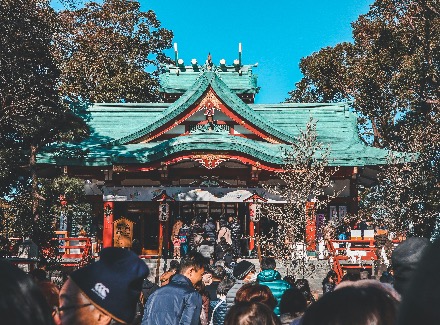

Japanese New Year Traditions, Part 1: Preparing for the Year Ahead
As the calendar approaches the end of December, Japanese households begin a gradual shift into New Year mode. This period is not marked by a single event, but by a sequence of preparations that unfold over several days, each carrying its own meaning. Homes are cleaned, decorations are put up, shopping lists grow longer, and families begin their awaited break after a busy year.
This first part explores everything that happens before the New Year arrives, from year-end cleaning and last-minute preparations to traditional decorations and the customs of New Year’s Eve.
1. The Days Before New Year
Ōsōji (大掃除) – Year-End Cleaning
In Japan, the countdown to the New Year starts with ōsōji (大掃除, “big cleaning”), the traditional year-end deep cleaning. Usually done in the final days of December, often between the 28th and 30th, ōsōji is a shared household effort where everyone participates, adults and children alike, cleaning rooms, kitchens, storage spaces, and even areas that might be ignored during the rest of the year.
The custom is not limited to private homes; temples, shrines, schools, and workplaces also carry out their own year-end cleaning as part of New Year preparations.
This practice dates back to at least the Heian period (794 - 1185), when the court held an annual cleaning called susuharai (煤払い, “soot brushing”) to clear out dust and drive away evil spirits. The custom later spread to common people in the Edo era, becoming the first important step of New Year’s preparations.

Beyond hygiene, the cultural idea is to purify one’s environment and mindset before the new year; by scrubbing every corner, families symbolically “reset” their living space, making it clean and welcoming for the Toshigami (年神, New Year deity) who is believed to visit at New Year’s.
Even today, about half of Japanese households still perform a traditional year-end cleaning each December (though the rate has declined from years past). Many people choose an auspicious date (for example, the 28th, since 8 is a lucky number) and avoid cleaning on the 29th (since nine in Japanese can be read as ku, which can also mean “suffering”) or 31st, which are thought to bring bad luck if used for major chores. By New Year’s Eve, most homes are neat and tidy, ready to greet the coming year with a fresh spirit.

Shopping and Final Preparations
Once the house is clean, families turn to final errands. The last few days of the year see a rush at grocery stores and markets, as people stock up on ingredients to prepare osechi ryōri (おせち料理), the traditional New Year’s dishes eaten over the first few days of January and other supplies before businesses close.
Traditionally, shops and even restaurants shut down or operate on reduced hours for at least January 1–2, so households buy what they’ll need to get through the sanganichi (first three days of January) without cooking.
Those who don’t cook osechi at home may order prepared osechi from department store food halls, supermarkets, or even convenience stores. Department stores begin taking orders for elaborate osechi boxes as early as October, and popular varieties can sell out well in advance.
Beyond food, families also prepare small gifts or omiyage for relatives they plan to visit during the holiday period. Some people travel to their hometowns just before New Year’s Eve, while others get ready to host visiting family members at home.
In addition, many people prepare or send nengajō (New Year’s greeting postcards) to relatives, friends, and colleagues; these postcards are meant to arrive on January 1, so they are typically mailed by December 25th. By the time December 31 arrives, most households aim to have everything ready so the New Year can begin calmly and without errands.
2. New Year Decorations
Kadomatsu (門松)
In the final days of December, many households and businesses place kadomatsu arrangements outside their front entrances as an invitation to the Year God. Kadomatsu, which literally means “gate pine,” are pairs of auspicious pine and bamboo decorations set to the left and right of entrances of homes, apartment buildings, shops, and offices. A typical kadomatsu consists of three cut bamboo stalks of staggered heights bound together with pine branches and sometimes sprigs of plum (ume).
Each element of the kadomatsu has meaning and carries symbolism: pine represents longevity and resilience because it stays green year-round even in winter, bamboo signifies vitality, and strength, as it grows quickly and straight. Plum branches, which bloom early even in cold weather, are associated with renewal, endurance and perseverance.
Together, these three plants are known as the “Three Friends of Winter” in East Asian tradition, celebrated for thriving even in adversity and for expressing hopes for stability, prosperity, and a fresh start.
Setting up a kadomatsu is believed to provide a temporary dwelling (yorishiro) for Toshigami-sama, the Shintō deity of the new year’s harvest and family blessings. It’s said that the god will only visit homes that have been prepared with these sacred markers.
Families usually put out kadomatsu after Christmas and no later than December 28 (avoiding the 29th). The decorations stay up through the first week of January, traditionally until January 7th, and are then taken to a shrine or burned in a ritual bonfire (often around January 15th) to release the deity and avoid trapping its spirit.

Shimenawa and Shimekazari (しめ縄・しめ飾り)
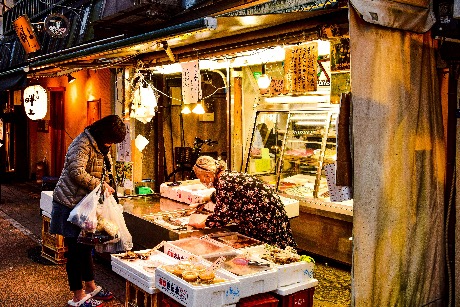
Another classic New Year’s adornment is the shimenawa, a sacred twisted straw rope, often with white zigzag paper strips (shide) and other ornaments attached. Shimenawa are seen year-round at Shintō shrines, hung to mark the boundary of pure, sacred space and to ward off evil spirits.

For Oshōgatsu, families hang a smaller, decorative New Year’s version called shimekazari above the front door or gate, to indicate that the home is purified and ready to welcome the deity Toshigami. A typical New Year’s shimekazari is decorated with several meaningful items: a daidai (a Japanese bitter orange), urajiro (fern fronds), and yuzuriha leaves, among others.
Since the bitter orange (橙) shares its pronunciation with daidai (代々), meaning “generation to generation,” it represents family continuity and prosperity for descendants. The urajiro fern, with its white underside, is linked to purity and sincerity, and its paired leaves are often interpreted as a couple growing old together as well as long life. Yuzuriha, which grows new leaves before shedding old ones, symbolizes inheritance and the passing of responsibility from one generation to the next.
Other decorations include rice straw or inaho (ears of rice), which represent prosperity and a stable food supply, as well as decorative red and white tightly knotted cords made from rice paper (水引, mizuhiki), which are associated with bonds, connections, and continuity. Sometimes lobster or sea bream motifs linked to longevity and celebration are also used.
Placing a shimekazari on one’s door it’s a way of spiritually “sealing” the home, so that no bad spirits enter, and the Toshigami deity knows where to come.
These decorations are usually put up after the year-end cleaning and before December 31, and like kadomatsu, shimekazari are temporary. They are taken down after the New Year period and later returned to shrines for ritual burning, symbolically sending off the old year and closing the seasonal cycle.
Kagami Mochi (鏡餅)
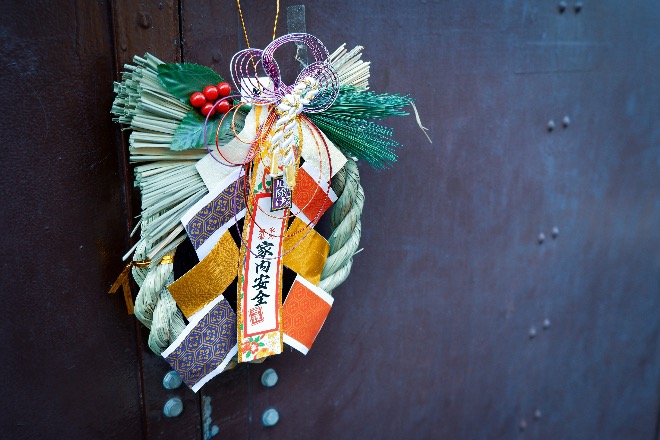
Another essential New Year decoration found in many Japanese homes is kagami mochi (New Year rice cake), a stack of two round rice cakes (with the smaller one on top) topped with a small bitter orange. Traditionally placed on the family altar, in the tokonoma alcove, or near the entrance, kagami mochi is another way to welcome Toshigami.
The two layers of mochi are usually explained as representing the passing year and the year to come, or more broadly the continuity between generations. Their round shape recalls ancient bronze mirrors from the Yayoi period (300 BC–250 AD), objects once considered sacred and associated with honesty and clarity.
The mirror is also one of the three sacred imperial treasures of Japan; in Shintō myth, the sun goddess Amaterasu’s spirit was housed in a mirror, and by analogy the round white mochi (made from sacred rice) are seen as a pure vessel (yorishiro) for the Toshigami deity’s spirit.

Traditionally, kagami mochi is decorated with the same elements as shimekazari, such as urajiro ferns and yuzuriha leaves. It is displayed from late December through the first days of January and is not meant to be eaten right away. The overall idea is that the household offers this carefully arranged stack of mochi to the gods at New Year’s, and in return gains their tamashii (spiritual essence) and good fortune.
Around January 11, families observe kagami-biraki (“opening the mirror”), a ritual in which the hardened mochi is broken by hand or with a wooden mallet rather than cut with a knife, which would be considered inauspicious. The pieces are then eaten, often in a soup called o-zōni, so that the family can partake of the divine strength believed to be imbued in the mochi.

3. New Year’s Eve (大晦日)
Toshikoshi Soba
December 31st, known as Ōmisoka, is typically a quiet evening spent with family at home. Rather than late-night parties, most people in Japan have a nice dinner with family and watch special TV programs while waiting to greet midnight.
One universally practiced culinary custom is eating toshikoshi soba (年越し蕎麦), literally “year-crossing noodles,” on New Year’s Eve, typically eaten in the evening before midnight. The tradition of toshikoshi soba dates back to at least the Edo period (1603–1868); the long, thin buckwheat noodles symbolize longevity and resilience, and eating them is meant to help carry these qualities into the year ahead.
At the same time, buckwheat noodles are relatively soft and easy to cut while eating; this characteristic embodies the idea of severing the hardships or bad luck of the year now ending, and conversely, cutting them after midnight is said to symbolically cut short good fortune.
Regional differences also appear in how the dish is served. In eastern Japan (Kantō), darker soy-based broth is more common, while western regions (Kansai) tend to prefer a lighter, clearer broth. Some families substitute soba with udon, especially in areas where wheat noodles are more traditional, but the intention remains the same. As for the toppings, they also may vary by household and region, ranging from tempura shrimp (which represents longevity) to kamaboko fish cake, green onions, or simple broth-only preparations.

Joya no Kane (除夜の鐘)
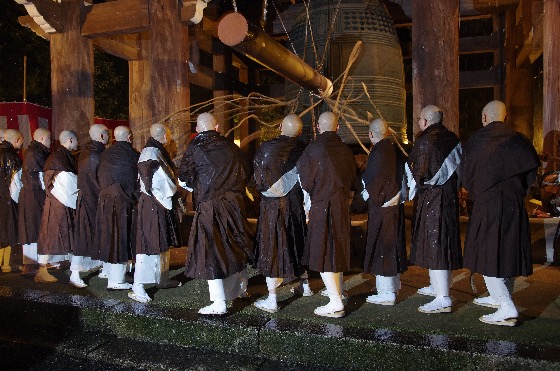
As midnight approaches, Japan’s attention turns to the solemn sound of temple bells ringing out the old year. Joya no Kane is the traditional Buddhist ceremony of tolling temple bells 108 times on New Year’s Eve. Many people either attend a local temple or watch the live broadcast on TV or radio.
The origin of the 108 bells lies in Buddhist teachings: it is said humans are plagued by 108 earthly desires or bonnō (煩悩), one for each illusion or temptation that causes human suffering. By striking the bell 108 times, the temple symbolically purges these 108 desires (such as anger, greed, or pride) from everyone’s heart, cleansing the spiritual slate for the new year.
Traditionally, a monk or priest performs the rhythmic bell ringing, sometimes starting just before midnight so that the final strikes fall exactly at 12:00 AM. At some temples, people can line up to take turns hitting the massive bronze bell after the clergy have begun the sequence. When the final bell fades, the old year’s sins are considered absolved.
Leading Into the New Year
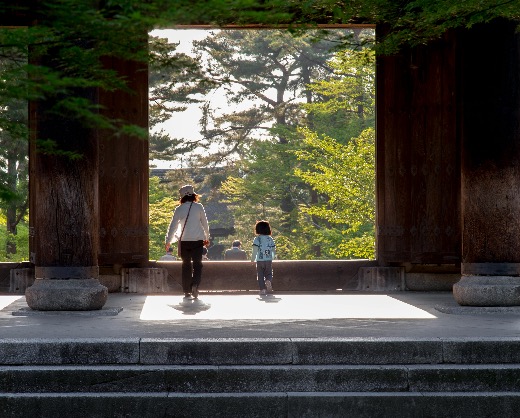
The days leading up to New Year in Japan are marked by preparation; cleaning the home, setting up decorations, finishing shopping, and awaiting the New Year together as a family all have symbolic meaning: closing the year properly and creating a clear starting point for the brand-new year ahead.
Once these preparations are complete, attention gradually turns to New Year’s Day itself, when routines slow down and families move into the quieter part of the holiday. The next part will look at how the first day of the year is spent: relaxing at home, special meals, first shrine visits, and other traditions that continue the transition into the new year.
🎍Living the Culture
If you want to understand Japan by living it, instead of just reading about it, joining an internship in Japan is one way to step into that reality. Reach out to us or join the program when you are ready to take that step!


